Exhale Into Color: Gentle Drawing That Restores You
Today we explore Mindful Drawing and Coloring for Relaxation, inviting you to slow your breathing, soften your gaze, and let repetitive strokes quiet racing thoughts. Through approachable prompts, science-backed insights, and comforting rituals, you’ll discover how pencils and pigments can become daily companions for steadier moods, deeper focus, and kinder self-talk. Share your quiet pages with us, ask questions, and subscribe for weekly prompts that fit busy lives.

Settling the Nervous System Through Simple Marks

When hands move slowly, the mind often follows. Repeating lines, curves, and simple patterns gives wandering attention somewhere kind to land, while visual rhythm steadies breath. With small, forgiving steps, drawing becomes less about results and more about listening inward, releasing tension without pressure to perform.

What Science Suggests About Calm, Color, and Attention

Parasympathetic Pathways Explained

Slow, rhythmic movement activates vagal pathways that signal safety, encouraging lower heart rate and deeper breathing. When your body detects fewer threats, attention opens, and creativity feels safer. Simple strokes therefore become practical tools, translating neuroscience into everyday relief you can repeat whenever tension builds.

Attention Restoration in Practice

Monotonous yet pleasing textures, like hatching or spirals, engage soft fascination, letting directed attention rest without shutting down awareness. This balance replenishes focus for tasks ahead, turning a brief sketching pause into cognitive recovery that supports clarity, patience, and kinder choices throughout the day.

Flow Without Pressure

Flow arises when challenge meets skill gently. By lowering stakes and measuring success by breath, presence, and ease, you increase chances of entering that absorbing state. No masterpiece required—only faithful returns to line and color until worry loosens its grip.

Two-Minute Line Meditation
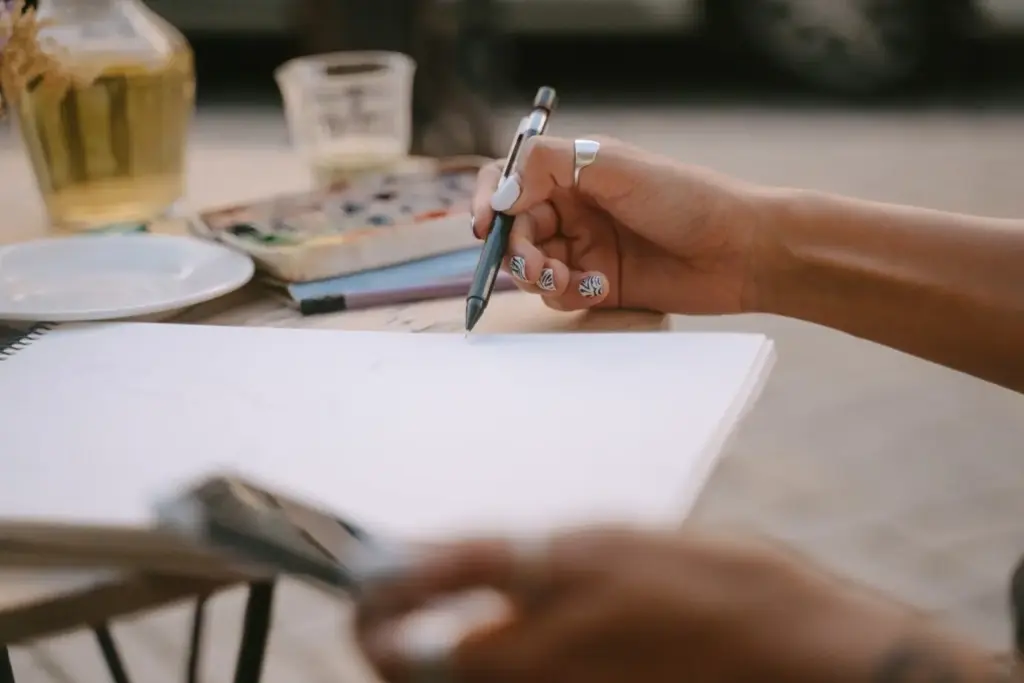
Set a timer for two minutes. Draw one continuous line, pausing only when you breathe in, and moving gently as you breathe out. Notice shoulder tension, jaw clench, and grip pressure. Adjust softness each exhale. Stop when the bell rings, honoring completion without edits.

Color Breathing Gradient

Pick a color family and create a value ladder in synchrony with breath: darkest on an exhale, lightest while pausing, mid-tones while inhaling. Observe subtle emotional shifts across shades. Finish by writing one sentence about how the gradient mirrors your current energy.

Mindful Doodling Grid

Divide the page into nine squares. Assign a simple texture to each—dots, waves, crosshatch—and move through slowly, square by square. Let boredom or restlessness be observed, not fixed. On completion, notice which textures softened you most, and schedule those for tomorrow.

Choosing Materials That Support Ease

Comfortable, forgiving tools reduce friction, making return visits easier. Choose materials that glide, erase cleanly, and reward slow layering. Consider textures, colorfastness, and ergonomics to support longer, kinder sessions. The right setup turns minutes into a refuge you can access whenever life feels loud.

Paper That Forgives

Choose medium-weight, smooth paper that accepts erasing without scarring and loves repeated shading. Tooth should be gentle enough for pencil, yet friendly to colored pencil burnishing. A dedicated sketchbook removes decision fatigue and visually celebrates consistency, reinforcing that small daily pages genuinely matter.

Color Mediums for Slow Blends

Soft-core colored pencils, watercolor pencils with minimal water, and waxy crayons invite gradual build-up, encouraging patience. Choose palettes with analogous hues to minimize jarring transitions. Blend with tissue or colorless blender to extend the soothing phase where edges soften and time seems pleasantly elastic.

Ergonomics and Comfort

Support wrists with a folded cloth, sit with feet grounded, and keep shoulders relaxed. Use larger-barrel pencils if gripping tightly. Set a soft lamp beside, not above, to reduce glare. Comfort amplifies calm, allowing attention to rest in sensation rather than strain.

Stories From Everyday Sketchers

Real moments show how gentle art steadies ordinary life. These vignettes reveal small, repeatable choices that reframe stress without denying reality. Notice how breaths pair with marks, and how color opens perspective, turning routines into pockets of care, honesty, humor, and grounded resilience.

Morning Train Peace

On a crowded commute, a small notepad becomes sanctuary. Five minutes of nested squares, paced by station announcements, slows the heart and softens shoulders. Fellow passengers glance, then relax too. The ride remains busy, yet the page provides a private, breathable lane.

Caregiver’s Evening Reset

After medications and dishes, exhaustion peaks. A tea mug warms hands while circles fill slowly from pale to deep blue. Tears appear, then ease as rhythm settles breath. Fifteen minutes later, sleep arrives friendlier, and tomorrow’s demands feel held rather than crushing.

Teen Test-Prep Pause

Between practice tests, a timer offers a structured break. The student shades a gradient, assigning worries to darker bands and encouragement to lighter ones. Naming each gently reduces rumination. Returning to study, their focus is steadier, and self-talk becomes notably kinder and clearer.

Sustaining the Practice With Gentle Accountability
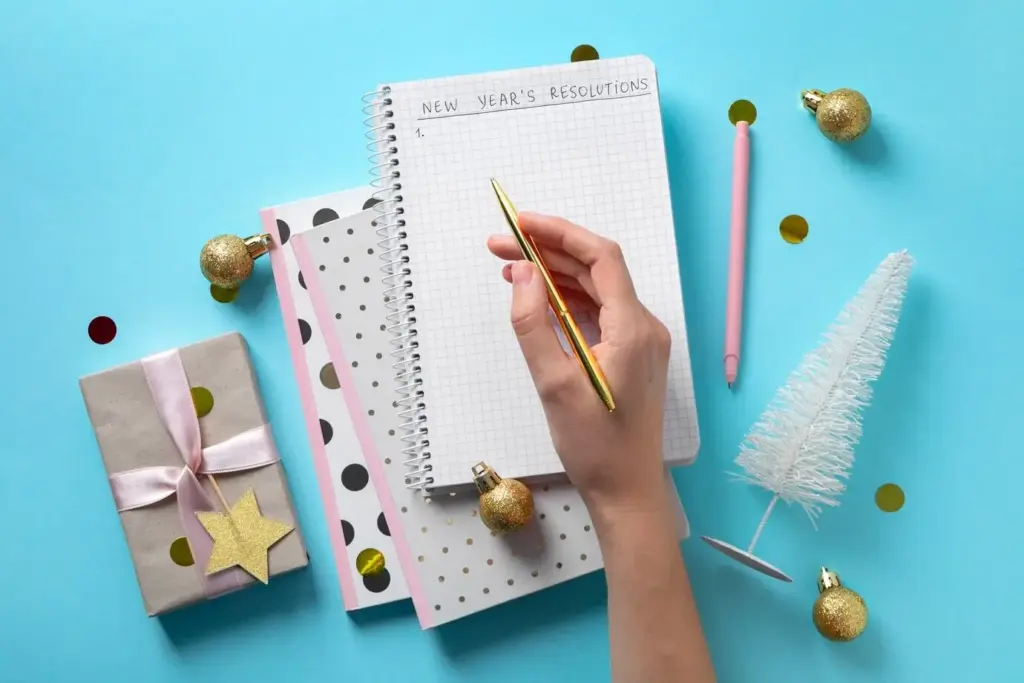
Lasting change grows from tiny promises kept kindly. Pair drawing with existing routines, track feelings with color notes, and celebrate rests as much as pages. Community can multiply courage; invitations to share process, not perfection, keep momentum warm during busy or tender seasons.
Perepotumozozoxereto
Privacy Overview

This website uses cookies so that we can provide you with the best user experience possible. Cookie information is stored in your browser and performs functions such as recognising you when you return to our website and helping our team to understand which sections of the website you find most interesting and useful.